-
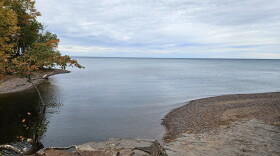 Several decades ago, some forward-thinking politicians and water resource specialists created the Great Lakes Compact, a legally binding interstate compact with protections for the use and transfer of the waters of the Great Lakes and signed in 2008 by the governors of Minnesota, Wisconsin, Michigan, Illinois, Indiana, Ohio, Pennsylvania and New York. The full title, the Great Lakes–St. Lawrence River Basin Sustainable Water Resources Agreement, also includes the premiers of the Canadian provinces of Ontario and Quebec.
 -
 The aging pipeline carries oil and natural-gas liquids through the Straits of Mackinac, where opponents fear a spill could devastate the Great Lakes
 -
 The Michigan Supreme Court on Friday ruled that the Michigan Public Service Commission erred when it granted a key permit for the Line 5 petroleum pipeline tunnel under the Straits of Mackinac
 -
 Environmental groups have long warned an accident could cause an oil spill in the Straits, threatening the Great Lakes
 -
 State agencies in Michigan on Wednesday issued key permits for the controversial Line 5 tunnel in the Straits of Mackinac, concluding the project’s benefits outweigh drawbacks
 -
 The study used more than 40 years of data to map fluctuating PFAS levels across species in the region's food chain.
 -
 The permit is the latest step in a yearslong debate over the aging pipeline and the risk of an oil spill
 -
 Despite the record rise, most water levels on the Great Lakes are near their long-term average
 -
 Bureaucratic hurdles and high costs have prevented the offshore wind industry from developing the Great Lakes’ abundant wind resources.
 -
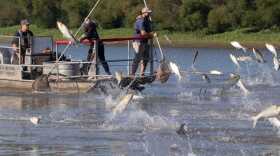 Federal funds for a barrier system is halted as Army Corps of Engineers conducts broad review of projects

© 2026 WXPR

Play Live Radio
Next Up:
0:00
0:00
Available On Air Stations


