-
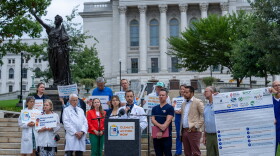 More than a dozen doctors and nurses from Wisconsin’s largest health organizations want the state’s next governor to prioritize climate change as a public health emergency
 -
 NOAA is predicting a greater than 90 percent chance of a "very strong" El Niño during the fall and winter
 -
 Lakes in the Northwoods are trending warmer.The increase has implications for wildlife health, algal blooms, and human enjoyment of the lakes.
 -
 Scientists know that human-caused climate change is leading to more humid days. What’s still somewhat unknown is to what extent that will impact people’s health and quality of life.
 -
 Amid dangerous heat, resources for those without air conditioning vary at the local level
 -
 Understand the risks associated with extreme heat and what to do when you’re facing down a heat wave with this guide based on years of Grist reporting.
 -
 As spring comes earlier, birds are starting their migrations earlier, some are starting their breeding a little earlier, taking different routes, or going a little further north.
 -
 The USA National Phenology Network shows that this year spring arrived three to five weeks earlier than the average between 1991 to 2020 in much of the central U.S. and two to three weeks earlier in southern Midwest states.
 -
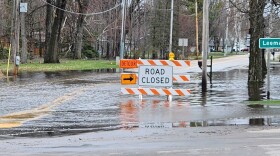 The latest report from the Wisconsin Initiative on Climate Change Impacts finds the 2010s were the wettest decade on record
 -
 The Trump Administration recently rescinded the central scientific finding that’s the basis of much of the nation’s climate pollution rules under the Clean Air Act.

© 2026 WXPR

Play Live Radio
Next Up:
0:00
0:00
Available On Air Stations


