-
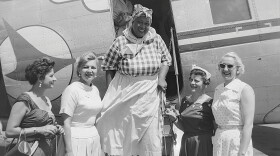 On July 26th, 1956, a small delegation of women’s groups and community organizations gathered at the Rhinelander-Oneida County Airport to meet an incoming flight. When the Douglas DC-3 landed, out stepped one of the most recognizable advertising characters in America. Aunt Jemima had arrived in the Northwoods.
 -
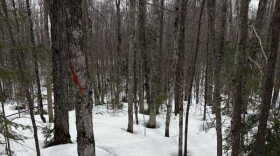 Ahead of a logging operation, foresters in the Northern Highland American Legion State Forest will go through the trees stand and mark trees. DNR NHAL Forester Dan Killam talks with WXPR’s Katie Thoresen about what each of those colors mean in this episode of All Things Outdoors.
 -
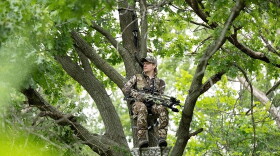 Fall hunting seasons are starting back up, what people need to know before hitting the woods.
 -
 Insects don't simply vanish, nor do they all succumb to the severe freezing weather. Instead, they employ an incredible array of biological winter survival strategies, ranging from supercooling their blood to entering deep states of dormant suspended animation.
 -
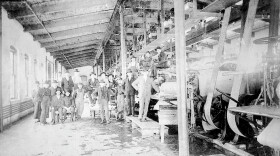 In 1905, a young papermaker named William Eibel arrived in Rhinelander to become superintendent of the Rhinelander Paper Company. Coming here from the Tomahawk Pulp and Paper Company, Eibel was only about 32 years old, but within a year he would develop an improvement in Rhinelander that changed papermaking across the country.
 -
 Wisconsin DNR Forester for the Northern Highland American State Forest Dan Killam talks about clear cuts, words he says often get a bad reputation but are critical for regenerating specific species of trees.
 -
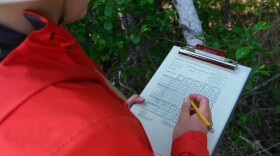 How do scientists talk about their research, and how can you untangle their sometimes overwhelming explanations?
 -
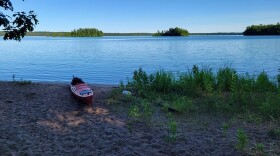 In this episode of All Things Outdoors, we share some less common ways of exploring state public lands.
 -
 Wisconsin DNR Conservation Warden Heather Hunt talks with WXPR's Katie Thoresen about commonalities in those accidents and best to avoid them.
 -
 The Northwoods Forest History Experience opened in Vilas County this summer.It’s a joint project of the North Lakeland Discovery Center and Manitowish Waters Historical Society.

© 2026 WXPR

Play Live Radio
Next Up:
0:00
0:00
Available On Air Stations


